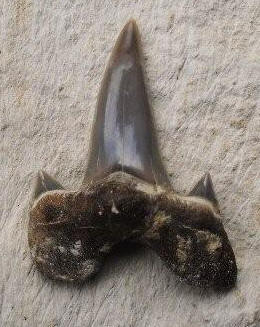
 A
A
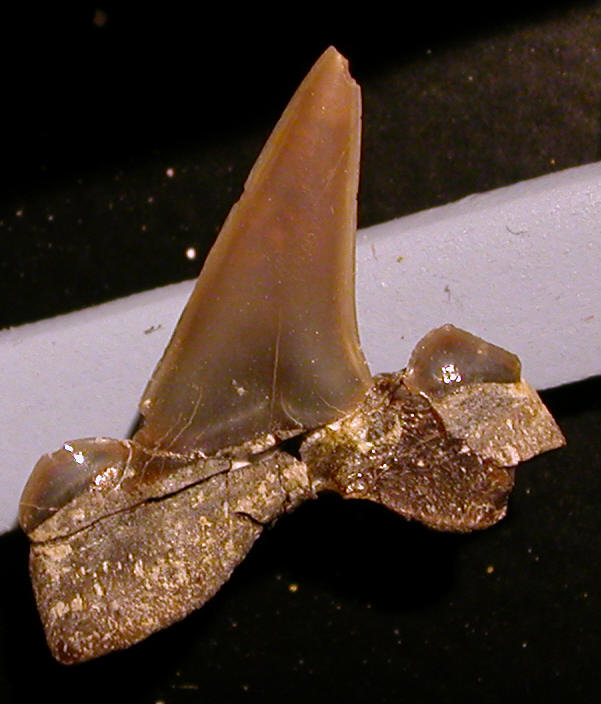 B
B
 C
CAll Cretalamna I assume
1
A
B
C
All Cretalamna I assume
CHARLIE- C. ex. gr. appendiculata (this is a species
group but until the holotype is sorted out, will remain a mess).
JOHN BASTIAANSEN - A - B - C : all Cretalamna - all teeth have the
characteristic broad flat sidecusps, i agree (A is an anterior)
Guy Van den Eeckhaut -
A,B&C: Cretalamna
appendiculata (Agassiz, 1843)
Pieter De Schutter (& gUY) -
A,B&C: Cretalamna
appendiculata (Agassiz, 1843)
JP Biddle - Cretalamna
2
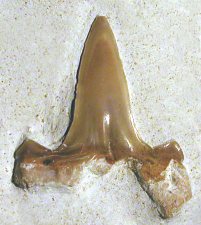
Cretalamna? - quite large
CHARLIE - I would say an unnamed Cretalamna (one of several I know of from the
Cretaceous and Palaeogene)
JOHN BASTIAANSEN - could be a Cretalamna woodwardi - this species is known from
large teeth
Guy Van den Eeckhaut -
I have large Cretalamna
appendiculata from the campanien, looks simular
Pieter De Schutter (& gUY) -
Cretalamna appendiculata
(Agassiz, 1843)
JP Biddle - Cretalamna
3
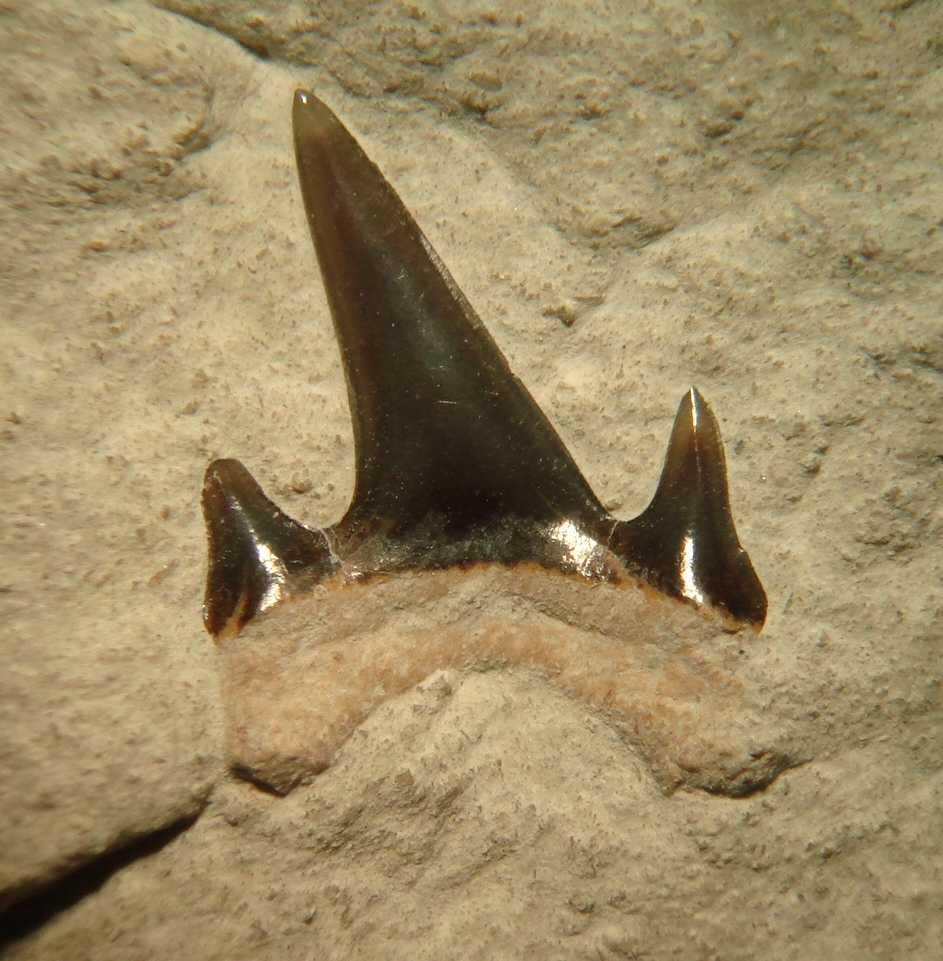 A
A
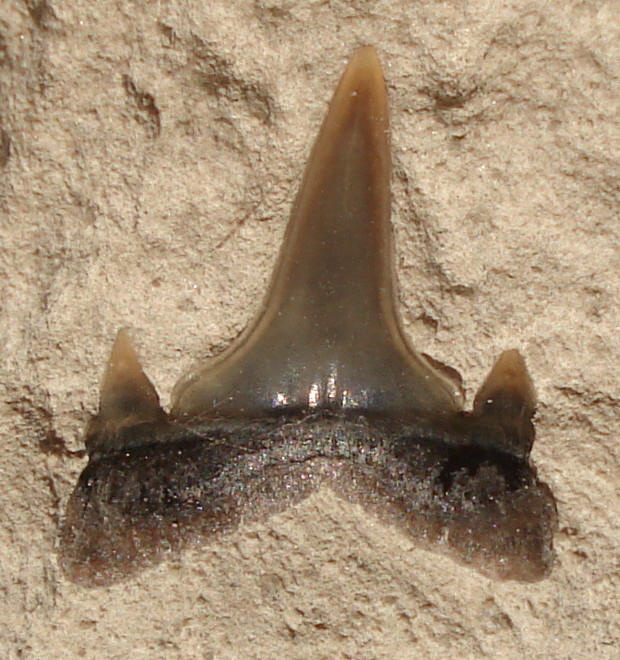 B
B
Root halves are more pointed than classic Cretalamna -
are these Odontaspidids?
CHARLIE A. may be a juvenile Archaeolamna ex. gr.
kopingensis (Davis 1890) (another species group probably) or could be an
odontaspid.
Guy Van den Eeckhaut -
A: Archaeolamna
kopingensis (Davis, 1890)
Pieter De Schutter (& gUY) -
A: Most probably
Archaeolamna kopingensis (Davis, 1890), but slightly possible an
odontaspidid…we don’t agree on this one ;-)
Pieter De Schutter - a
If tooth only
measures 7mm, I think it belongs to an odontaspidid.
JP Biddle - Archaeolamna sp. (not A. kopingensis
if pre Campanian)
CHARLIE - B. looks like a lower lateral of
Eostriatolamia venusta (Leriche1906). The type material is Santonian (Belgium)
but I have seen similar in the Cenomanian (India).
Guy Van den Eeckhaut -
B: Looks like a
lateral Carcharias adneti or Carcharias latus (Campanian age)
Pieter De Schutter (& gUY) -
B: Looks like a lateral
Carcharias adneti or perhaps Carcharias latus
(Campanian age) depending on the size. Might be Campanian?
Pieter De Schutter -
Tooth 3B is definitely
Carcharias adneti Vullo 2005.
JP Biddle - ??
JOHN BASTIAANSEN - Cretalamna or Odontaspidids ?
Difficult! They tend to Palaeohypotodus teeth (Odontaspidids) I know from the
Maestrichtian of the Netherlands ... (in this case you should examine them for
small vertical ridges at the base of the crown (labial side) but attention: this
is especially present at juveniles...)
4
Looks to be Leptostyrax
CHARLIE - A nice Leptostyrax
JOHN BASTIAANSEN - indeed looks like a Leptostyrax ...
Guy Van den Eeckhaut -
looks indeed like a Leptostyrax.
Pieter De Schutter (& gUY) -
looks indeed like a Leptostyrax
Pieter De Schutter -
if smooth, could be
close to Protolamna compressidens from Cenomanian to Coniacian
sediments. In Santonian-Campanian sediments this type of teeth is very uncommon
over here and there is no consensus about these teeth being Protolamna
or Leptostyrax.
JP Biddle - Protolamna compressidens
5
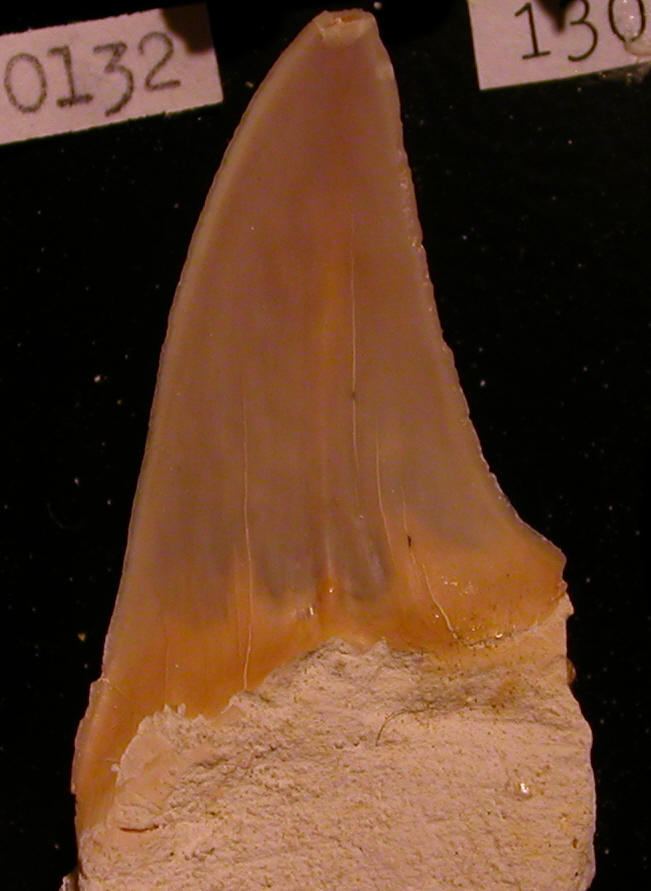 A
A
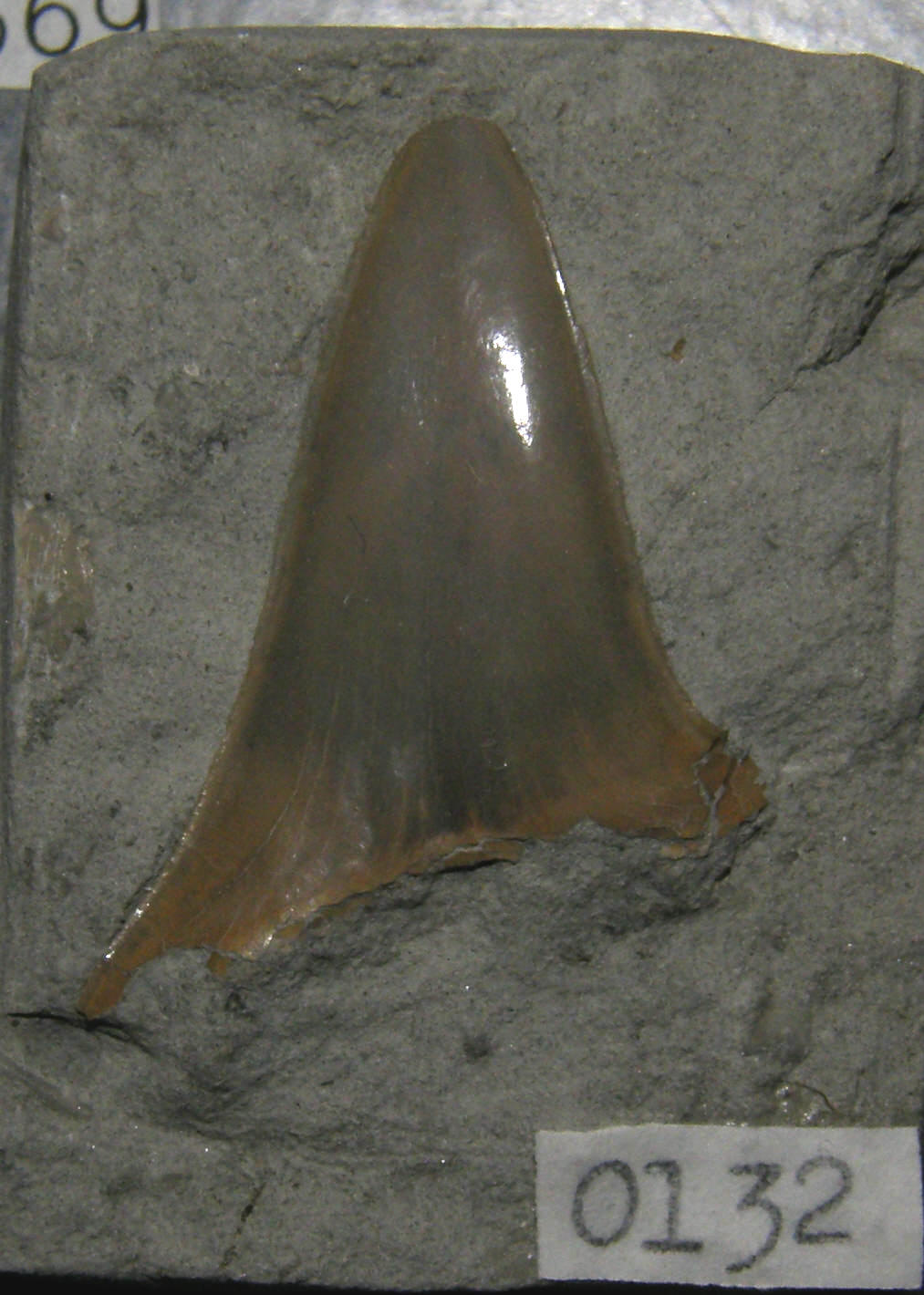 B
B
Cretoxyrhinia? - large
CHARLIE - Probably Cretoxyrhina. These very wide forms look more like the ones
from the Conaician-Santonian of Kansas than the Cenomanian ones.
Guy Van den Eeckhaut -
Cretoxyrhina mantelli (Agassiz,
1843)
Pieter De Schutter (& gUY) -
Cretoxyrhina mantelli (Agassiz,
1843)
JP Biddle - Cretoxyrhina
6
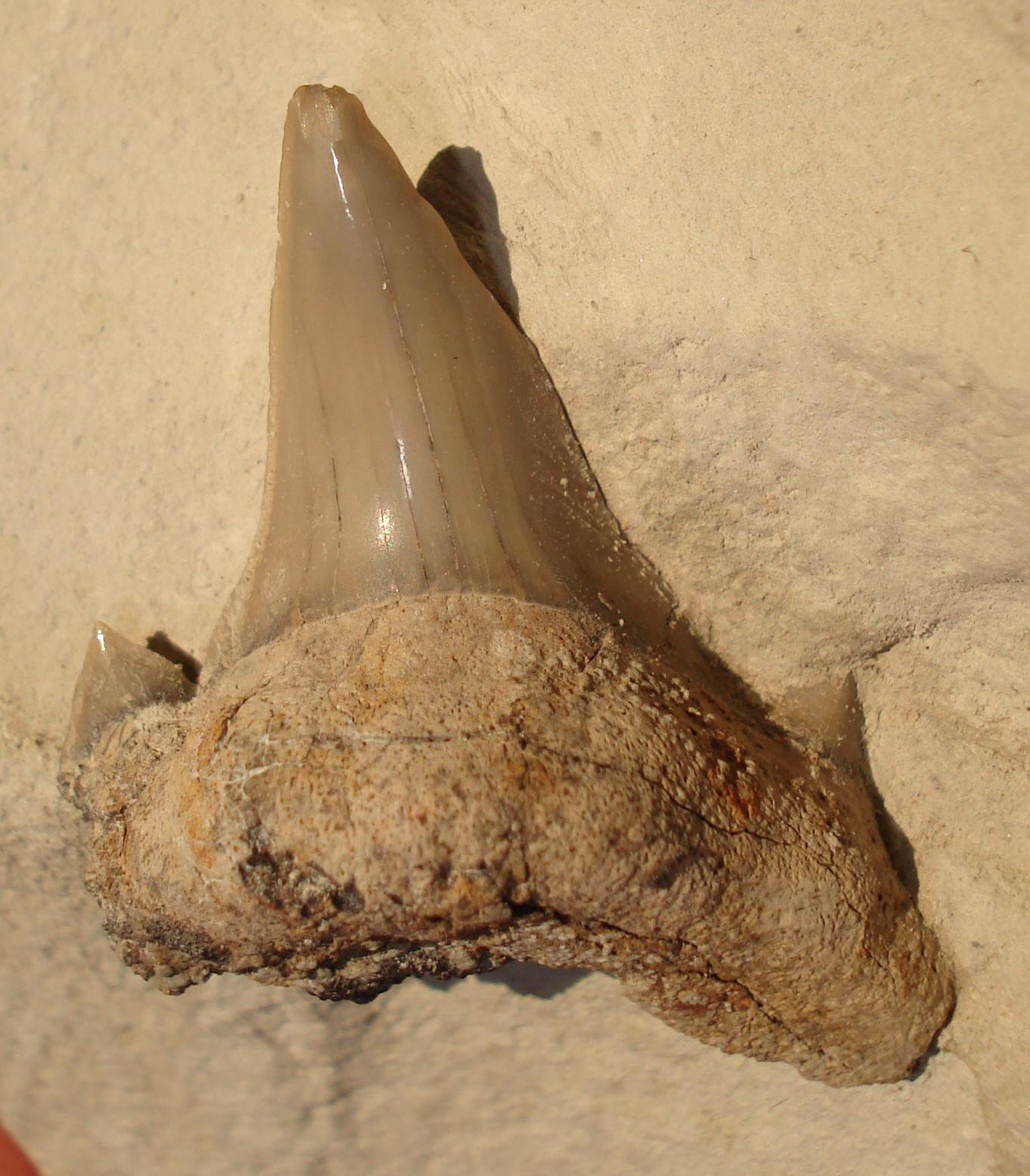
Dwardius? - large
CHARLIE - Could be Dwardias or Cardabiodon, difficult one. Rather different from
the paratype material of D. woodwardi, so I would go for the latter genus.
Guy Van den Eeckhaut -
I have no teeth to compaire with
this one, but Dwardius woodwardi (Herman, 1977) have heavy large teeth with
sidecusps (something like a heavy fat Cretalamna), but also Cardabiodon have
such teeth. (see pdf)
Pieter De Schutter (& gUY) -
A single view can be misleading. Should be
Dwardius woodwardi (Herman, 1977) or
Cardabiodon ricki, formerly called Pseudoisurus.
JP Biddle - Cretodus (adament)
Siverson -
Dwardius woodwardi?
7
 A
A
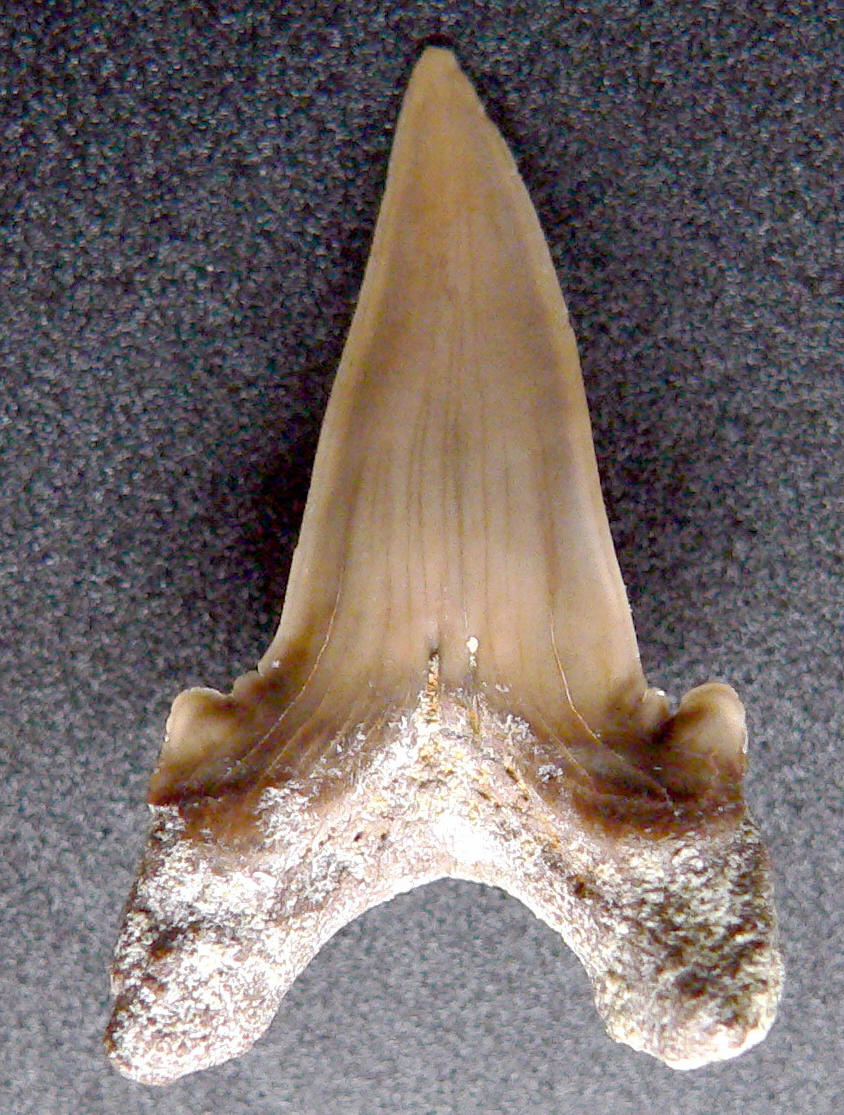 B
B
Cretodus????? - both large
CHARLIE - a. Probably Cretodus, but broken and difficult to tell.
Guy Van den Eeckhaut -
A: ?Cardabiodon,
sidecusps are missing, (also see the attached pdf)
Pieter De Schutter (& gUY) -
A:
Cardabiodon ricki Siverson, 1999
JP Biddle -
Cretodus
CHARLIE - b. Looks a lot like Cardabiodon. Appears
morphologically somewhere between C. ricki (M Cen of Australia) and C venator (M
Tur of USA). (SEE PAGE 2)
Pieter De Schutter (& gUY) -
Dwardius woodwardi
(Herman, 1977) 9BASED ON IMAGES ON PAGE 2)
8
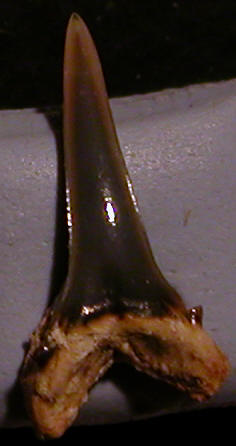
Paranomotodon? -
Cenomanian, 8 mm
CHARLIE - Difficult again; a very anterior tooth and may even be a true
Carcharias as there are true lateral cusplets.
Pieter De Schutter -
I don’t think figure 8
belongs to Paranomotodon. I attached the plate from HERMAN 1977 to
compare (figs.7 belongs to Paranomotodon; figs.8 =
Protolamna compressidens). That tooth looks similar to
Eostriatolamia venusta (Leriche, 1906) from the Santonian of Belgium (Herman
1977, plate 8 attached).
However, Paranomotodon might occasionally have small cusplets.
JP Biddle -
not
Paranomotodon